A spot beneath your vehicle can be harmless condensation, or it can be the first sign of a leak that needs prompt attention. The color, texture, smell, and location of the fluid can offer useful clues, but dirt and age often change how automotive fluids look by the time they reach the ground.
Leaks should not be judged by puddle size alone. Fluid may collect on a splash shield, spread across the underbody, or burn off on hot components before it leaves a visible mark. Checking levels and arranging an inspection can help identify the source before the vehicle overheats, loses lubrication, or develops braking and shifting problems.
Start With The Color And Location
Place clean cardboard beneath the vehicle overnight if the leak is small and the car can be parked safely. Mark the position of the front wheels so you can compare the stain with the engine, transmission, radiator, and axle locations. Notice whether the spot appears after driving, while parked, or only when the A/C has been operating.
Color provides direction, but it does not confirm the fluid by itself. Engine oil darkens with use, coolant comes in several colors, and transmission fluid can change from red to brown as it ages. Road grime can also make a fresh leak look nearly black.
Brown Or Black Fluid May Be Engine Oil
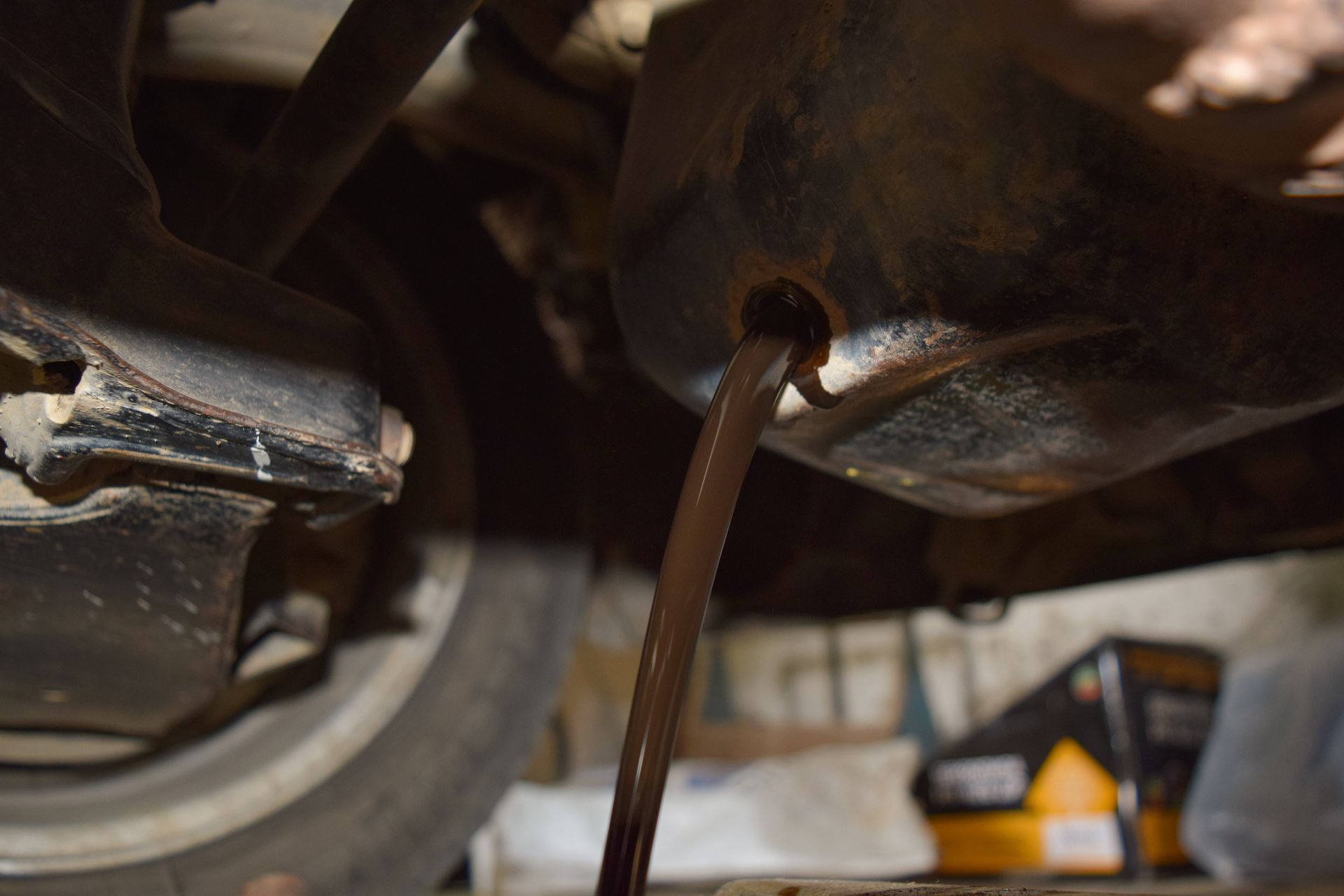
Fresh engine oil is usually amber or light brown. Used oil often appears dark brown or black and feels slippery. Common leak areas include the valve cover gasket, oil pan, timing cover, filter housing, drain plug, and crankshaft seals.
Oil can travel along the engine before dripping from a lower point, so the puddle may not sit directly below the failed gasket. A burning smell or light smoke can appear when oil reaches the exhaust. Check the dipstick regularly because some engines lose oil without leaving a large spot on the driveway.
Brightly Colored Fluid May Be Coolant
Coolant can be green, orange, yellow, blue, pink, or purple. It is thinner than engine oil and may leave a chalky residue after drying. A sweet odor, low coolant warning, weak cabin heat, or rising temperature gauge can appear as the level drops.
Possible sources include radiator seams, hoses, the water pump, thermostat housing, reservoir, heater connections, and plastic fittings. Never open a pressurized cooling system while the engine is hot. Escaping steam and coolant can cause serious burns.
Red Or Brown Fluid May Come From The Transmission
Automatic transmission fluid is often red or reddish pink when fresh, but it may become brown or dark with age. It feels oily and can have a sharp petroleum smell. A burnt odor may indicate that the fluid has been exposed to excessive heat.
Transmission leaks often develop around the pan, cooler lines, axle seals, output shaft seals, case connectors, and service plugs. Low fluid can lead to delayed engagement, slipping, harsh shifts, whining, and overheating. Many newer vehicles have no dipstick, so the level must be checked through a temperature-specific procedure.
Other Fluids Can Leave Similar Spots
Power steering fluid may appear red, amber, or brown, depending on the system and fluid type. A leak can cause whining during turns, a low reservoir level, or heavier steering. Electric power steering systems do not use hydraulic fluid, so the vehicle design must be confirmed before the source is identified.
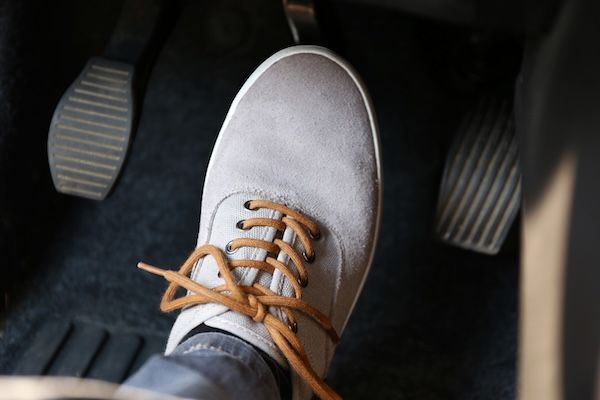
Brake fluid is usually clear to light amber when fresh and becomes darker as it ages. It may leak near a wheel, brake hose, caliper, master cylinder, or hydraulic line. Brake fluid loss requires urgent attention because the pedal can become soft and stopping performance may decline.
Common clues include:
- Clear water beneath the passenger side after A/C use
- Blue fluid near the front from the windshield washer system
- Thick, strong-smelling gear oil near an axle or differential
- Fuel odor near a wet area under the vehicle
- Grease thrown around a wheel from a torn CV boot
Clear water from the A/C drain is usually normal. Fuel, brake fluid, and heavy gear oil leaks should be checked promptly rather than identified through direct skin contact.
When You Should Stop Driving
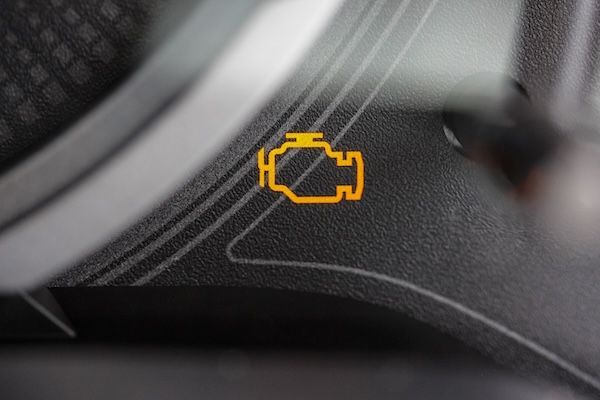
Shut the engine off if the temperature gauge rises, an oil pressure warning appears, smoke develops, or fluid begins pouring onto the ground. Continuing to drive with low oil or coolant can cause severe engine damage within a short distance.
Do not drive if the brake pedal becomes soft, the transmission slips badly, steering assistance disappears, or you smell strong fuel vapors. Arrange a tow when the vehicle cannot be operated safely. Adding fluid may help prevent immediate damage in some situations, but it does not repair the failed hose, seal, gasket, or component.
How Technicians Trace The Leak
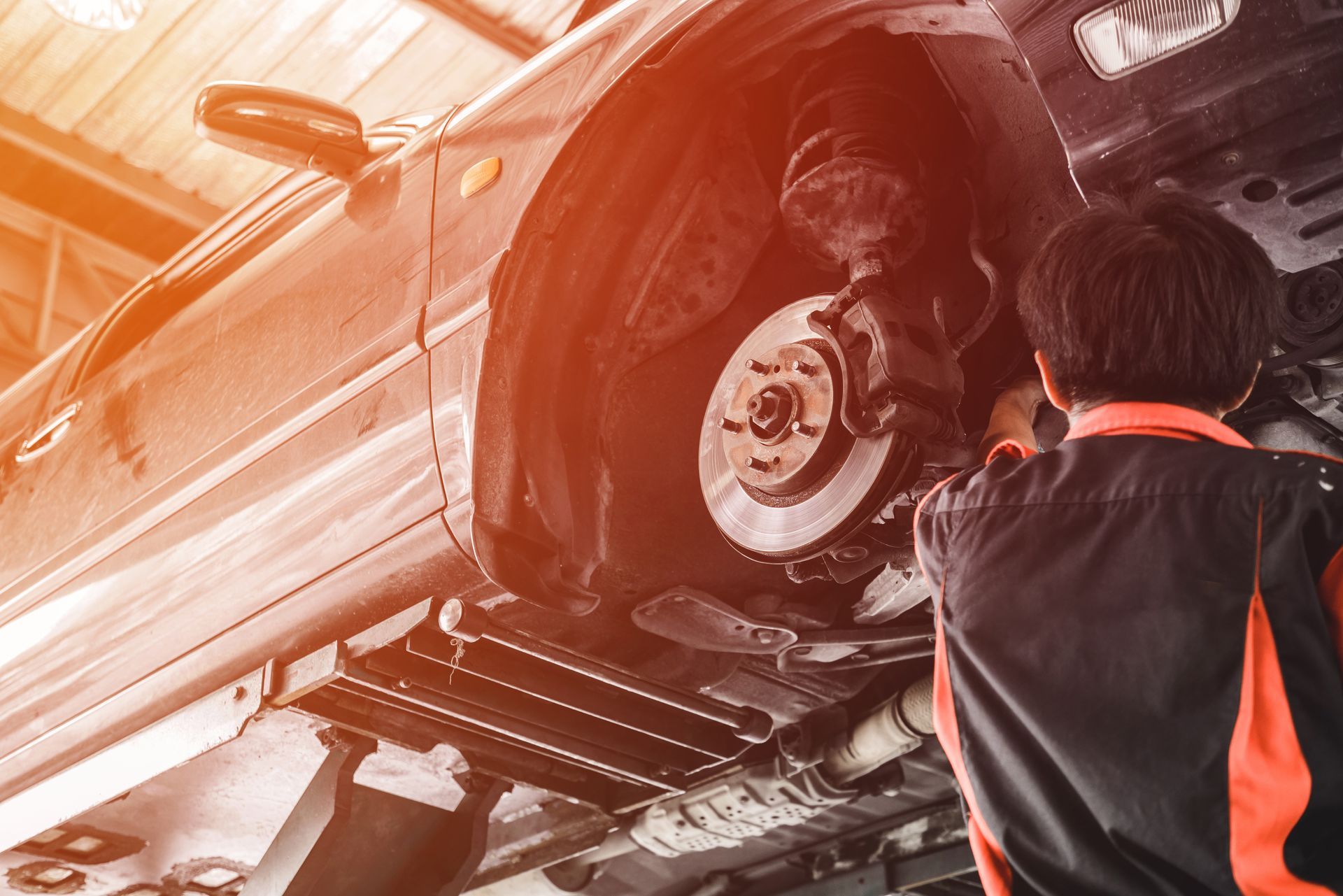
A technician may clean the wet area, raise the vehicle, and follow fresh fluid toward its highest visible point. Cooling systems can be pressure-tested, while ultraviolet dye may help reveal slow engine oil, refrigerant, or other fluid leaks. Transmission levels may require scan data and a specified fluid temperature.
The condition of nearby belts, mounts, wiring, hoses, and protective panels should also be checked because leaking fluid can damage them. Regular maintenance creates opportunities to find damp seals, aging hoses, and dropping fluid levels before a leak becomes large enough to reach the pavement.
Get Automotive Fluid Leak Diagnostics In Lakewood, CO, With Front Range Auto
If you notice a colored puddle, oily stain, burning smell, or dropping fluid level, Front Range Auto in Lakewood, CO, can determine whether the vehicle is leaking engine oil, coolant, transmission fluid, brake fluid, or another automotive fluid.