A soft brake pedal is one of those symptoms you feel in your gut right away. The pedal goes lower than it used to, it feels squishy, or it takes more pressure to get the same stop. Sometimes it shows up suddenly. Other times it creeps in over a few weeks until you realize you are pressing farther every day. Either way, a soft pedal is not something to shrug off, because it usually means the hydraulic system is not building pressure the way it should.
The good news is the cause is usually findable. Once you match the pedal feel to a few clues, you can narrow down what is happening and get it repaired before the situation gets worse.
How A Healthy Brake Pedal Should Feel
A healthy pedal feels firm and consistent. It should not slowly sink while you are holding it at a stoplight. The stop should feel predictable, with the same pedal travel each time. If you suddenly feel extra travel or sponginess, that means something in the system is compressing, leaking, or flexing more than it should.
Spongy often points to air or moisture in the fluid. A sinking pedal can point to internal leakage in the master cylinder or a leak somewhere in the system. Those differences point to different repairs.
Air In The Brake Lines
Air is compressible, brake fluid is not. When air gets into the system, the pedal feels soft because some of your pedal travel is compressing air bubbles instead of pushing fluid pressure to the calipers. Air can enter after brake work if bleeding was not completed correctly. It can also enter through a leak that is letting fluid out and air in.
Here are common ways air ends up in the system:
- Brake lines or calipers were opened and not bled fully
- The fluid level dropped too low and air was pulled into the master cylinder
- A leak at a hose, caliper seal, or fitting allowed air to enter
If the pedal improved briefly after pumping it a few times, that can also suggest air. Pumping can temporarily move bubbles around, but it does not solve the cause.
Brake Fluid Moisture And Boiling
Brake fluid absorbs moisture over time, and that moisture lowers the boiling point. Under repeated braking, like traffic, hills, or heavy loads, the fluid can get hot enough that moisture turns into vapor. Vapor compresses, and the pedal can feel soft or inconsistent.
This is why old brake fluid can feel fine most of the time, then suddenly feel scary during a long downhill. Fluid exchange is part of regular maintenance and helps protect expensive hydraulic components from corrosion.
Worn Or Failing Master Cylinder
The master cylinder is what creates hydraulic pressure when you press the pedal. If it fails internally, fluid can bypass inside the cylinder instead of building pressure. The classic symptom is the pedal slowly sinking while you are holding steady pressure at a stop.
It can also show up as inconsistent pedal feel, where one stop feels normal, and the next feels lower. If you have a sinking pedal, do not ignore it. That symptom usually does not get better on its own.
Brake Hose Expansion And Caliper Issues
Brake hoses can soften with age and heat. When that happens, the hose can expand slightly under pressure, which creates extra pedal travel. Some hoses can also collapse internally, creating uneven braking and an odd pedal feel.
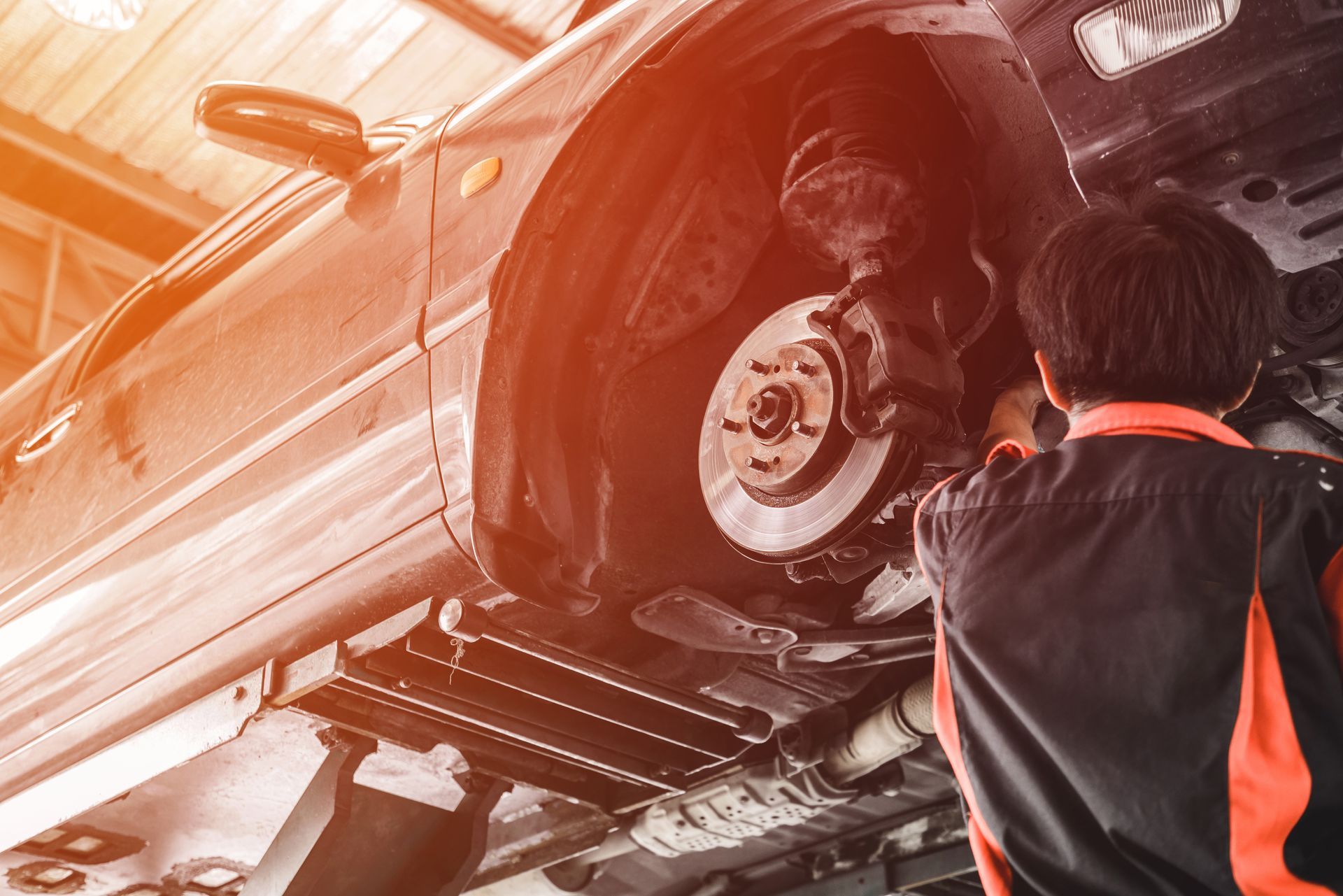
Caliper issues can contribute too. If a caliper is sticking or not retracting correctly, it can overheat the system and create fade-like soft pedal behavior. A proper inspection looks at hose condition, caliper movement, and whether any wheel is running hotter than the others.
Brake Leaks And Low Fluid Level
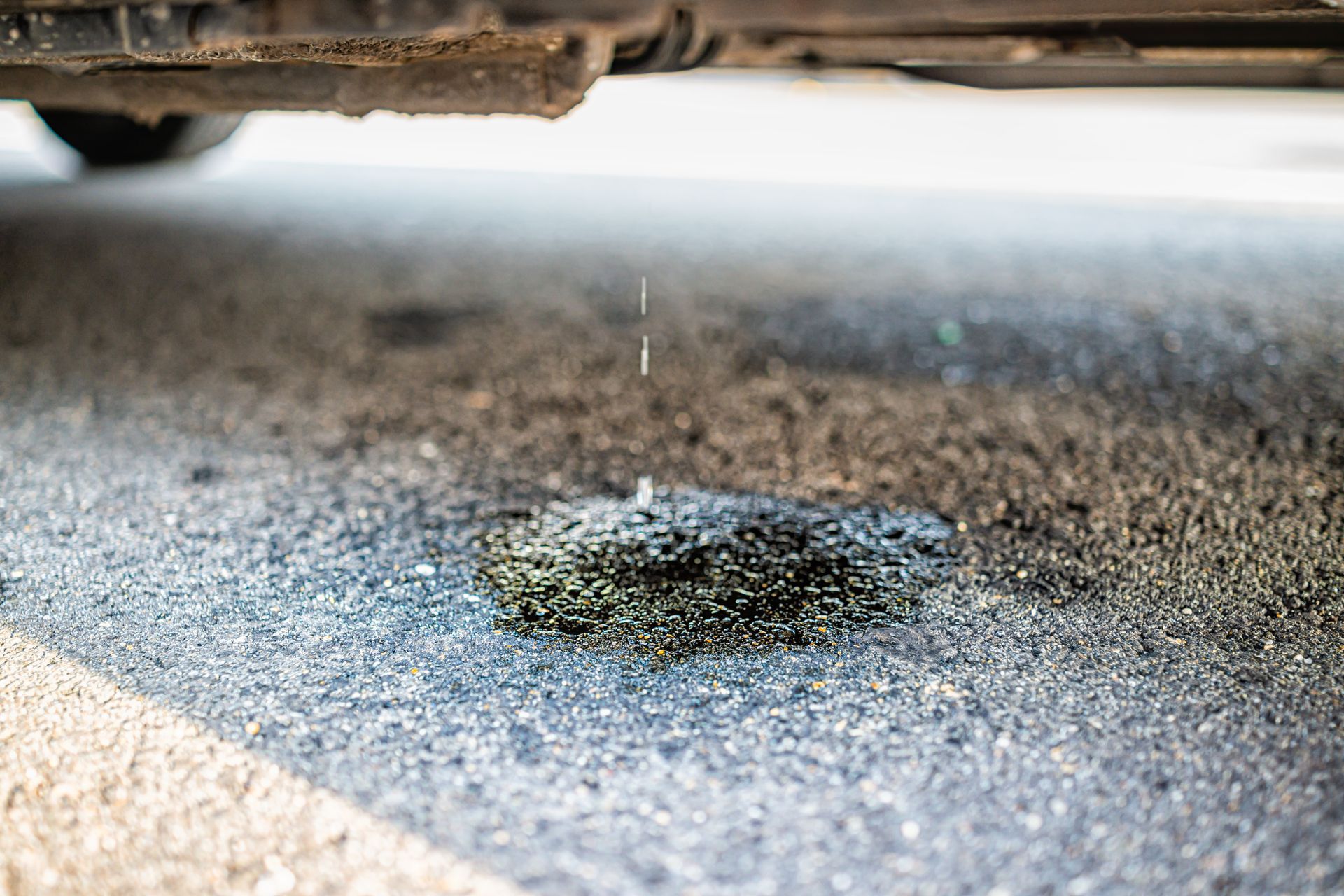
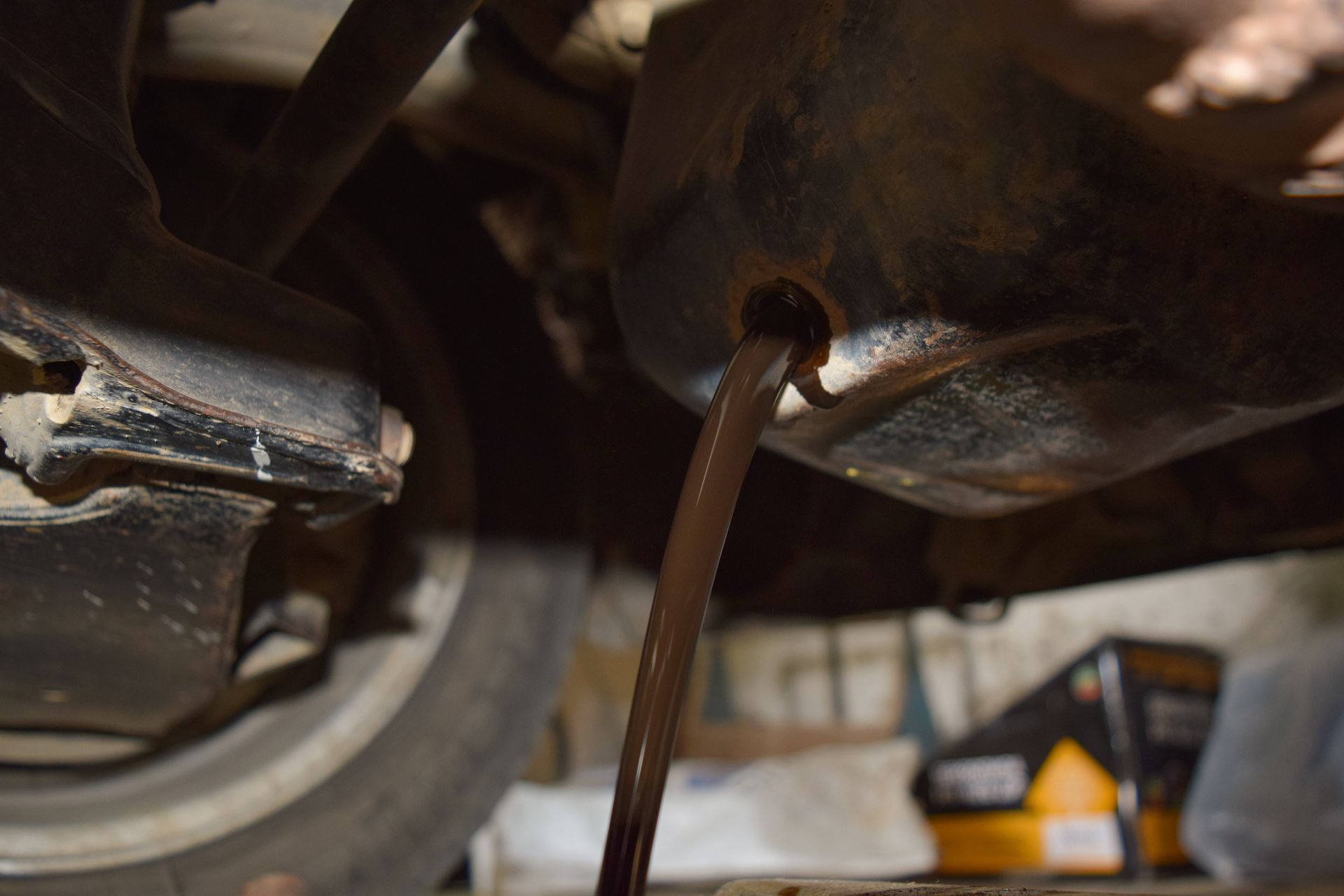
A leak is always a priority issue. Low brake fluid can let air into the system and reduce braking performance. Leaks can show up at calipers, lines, fittings, and the master cylinder. Some leaks are slow and only show up as a gradually dropping reservoir level.
If you ever see the brake warning light or notice fluid in the wheel area, stop driving and have it checked. Brake fluid leaks are not the kind of problem to drive around while you decide what to do.
What To Do Right Now If The Pedal Feels Soft
If the pedal suddenly feels soft, give yourself more stopping distance and avoid high speeds until it is checked. If the pedal is sinking or feels unsafe, do not keep driving.
Here are quick steps that make sense in the moment:
- Check the brake fluid level if you can do so safely
- Look for wet spots near the wheels or under the vehicle
- Pay attention to whether the pedal is soft all the time or only after repeated stops
- If the brake warning light is on, stop driving and get help
A soft brake pedal is usually fixable, but the fix depends on the true cause. The goal is to get it inspected and repaired correctly instead of chasing parts.
Get Brake Pedal Repair In Lakewood, Colorado With Front Range Auto
If your brake pedal feels soft or spongy, the next step is to book service so the hydraulic system can be checked and repaired before braking performance gets worse.
Schedule service with Front Range Auto in Lakewood, Colorado, to restore a firm, confident pedal and keep your stopping feel consistent in traffic and on longer drives.