Oil change intervals used to feel easier to remember. Many drivers grew up hearing the same mileage rule over and over, so it stuck. Modern cars changed that a bit.
The answer now depends on the engine, oil type, driving habits, mileage, age, and service history.
Some vehicles can go longer between oil changes than older cars could. Others need closer attention because of turbochargers, short trips, stop-and-go traffic, or oil consumption. The best interval is not always the longest one printed on a reminder screen.
Start With The Owner’s Manual
The owner’s manual gives the best starting point for your vehicle. It lists the oil type, oil specification, filter requirements, and recommended service interval. Modern engines are designed around very specific oil requirements, so that information should not be treated casually.
The oil life monitor can help, too, but it is not a reason to stop checking the oil level. Some systems estimate oil life based on mileage, temperature, drive cycles, idle time, and other conditions. Others are simpler.
If the vehicle is newer, still under warranty, or has a strict maintenance schedule, following the manufacturer’s interval is important. Skipping service or using the wrong oil can create problems later if engine concerns come up.
Driving Habits Can Shorten The Interval
Two cars with the same engine can need different oil change schedules. A vehicle used mostly for steady highway driving has an easier life than one used for short trips, heavy traffic, hills, towing, or long idle time.
Short trips are especially hard on oil. The engine may not stay hot long enough to burn off moisture and fuel residue. Over time, that contamination can reduce oil quality even if the vehicle has not traveled many miles.
Drivers in Lakewood, CO, may also encounter cold starts, mountain driving, traffic, and temperature swings. Those conditions can make oil work harder than a simple mileage number suggests.
Turbocharged Engines Need Careful Oil Service
Many modern cars use turbocharged engines. Turbochargers create heat and depend on clean oil for lubrication and cooling. Delayed oil changes can leave deposits in small passages and increase wear on parts that spin at very high speeds.
A turbo engine may still feel fine while old oil is creating buildup. That is the risky part. The symptoms can show up later as oil consumption, boost concerns, timing noise, or engine performance problems.
Using the correct oil specification is just as important as the interval. The wrong oil may not cause an instant failure, but it can affect long-term protection.
Oil Level Still Needs To Be Checked
Modern oil does not remove the need to check the level. Some engines use oil between services, especially as they age. Others may leak from valve cover gaskets, oil pan gaskets, oil filter housings, drain plugs, or seals.
A clean driveway does not guarantee that the engine is not leaking. Oil can collect on splash shields, blow backward under the car, or burn off on hot parts before it reaches the ground.
If the oil level drops between changes, track how many miles it takes and how much oil is added. That information helps during an inspection and can show whether the engine is using oil normally or developing a problem.
Do Not Rely Only On Oil Color
Dark oil does not automatically mean the engine is in trouble. Oil darkens as it collects contaminants and does its job. Some engines turn oil dark quickly, especially on short trips or with higher mileage.
The bigger concerns are oil that smells strongly like fuel, feels gritty, looks sludgy, or appears milky. Fuel smell can point to fuel dilution. Milky oil can indicate moisture or coolant contamination. Thick sludge can suggest neglected service or deeper engine concerns.
If something about the oil looks or smells unusual, the oil change should include a closer inspection rather than being treated as a quick drain-and-fill.
Longer Intervals Are Not Always Better
Some modern oil change intervals are longer than older drivers expect. That does not mean every vehicle should be pushed to the maximum interval every time. Oil change timing should fit the way the car is actually driven.
If you drive mostly short trips, sit in traffic often, tow, climb hills, or own a higher-mileage vehicle, a shorter interval may be smarter. If the vehicle has a turbocharged engine or uses oil between services, waiting too long can increase risk.
Regular maintenance works best when it is adjusted to real use. The goal is to keep the engine clean and the filter quality before wear, deposits, or a low oil level become a problem.
Warning Lights Are Not The Same As Reminders
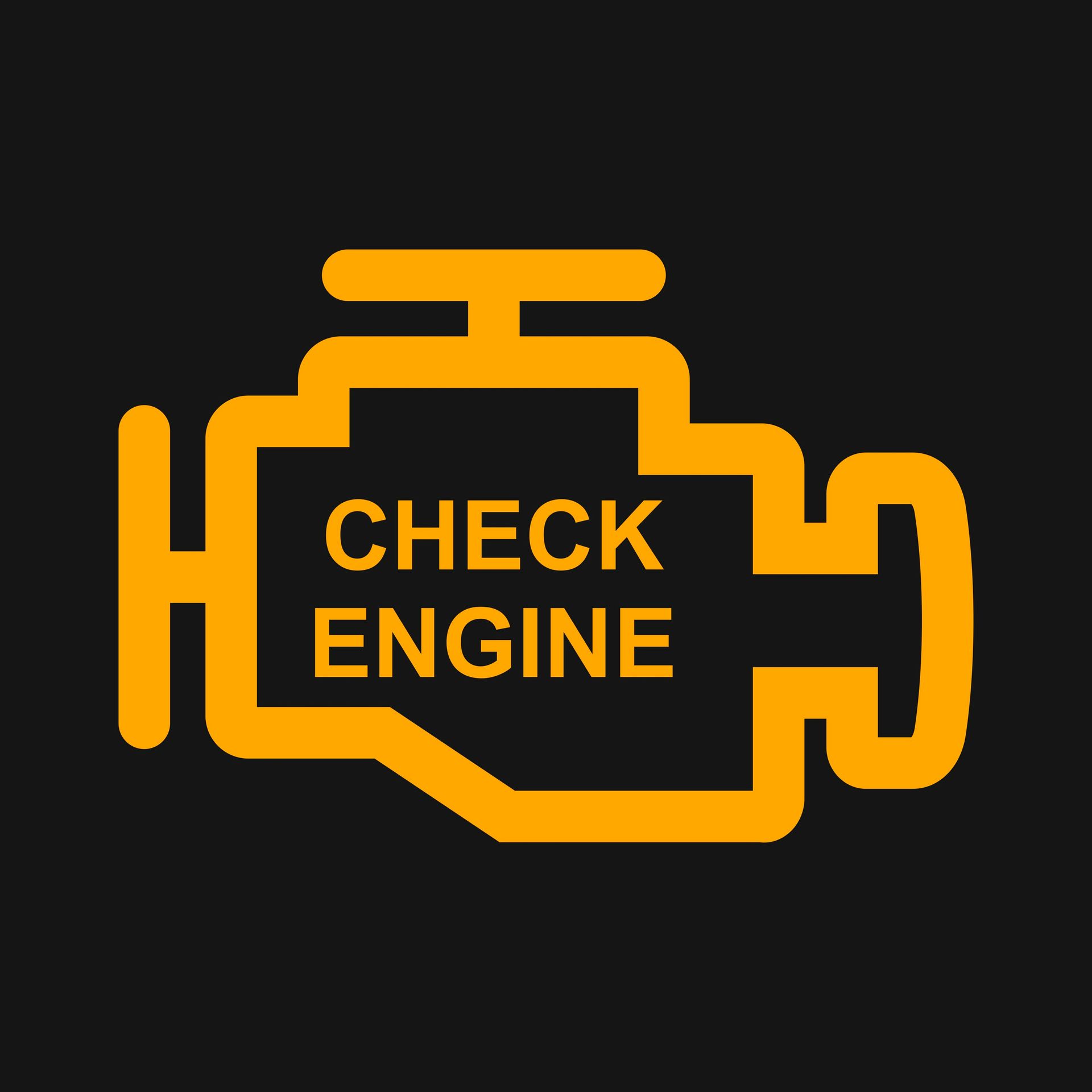
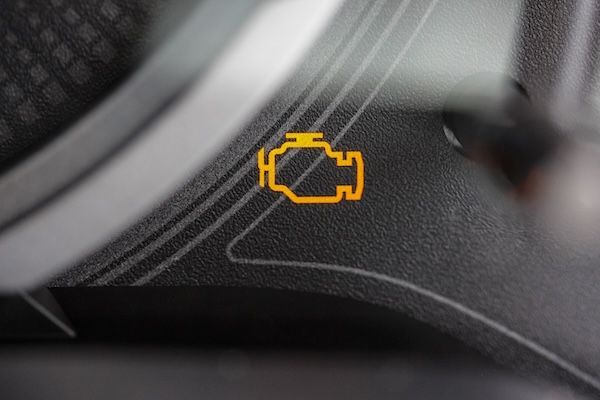
An oil life reminder means service is due soon. An oil pressure warning is much more serious. If the oil pressure light comes on while driving, pull over safely and shut the engine off.
Low oil pressure can damage internal parts quickly. Adding oil may help if the level is low, but it does not always fix the reason the pressure dropped. A failing pump, a clogged pickup, internal wear, a sensor issue, or an oil flow problem can still be involved.
Do not wait for a warning light before scheduling oil service. By the time the dashboard gets involved, the engine may already be outside its safe range.
Get Engine Oil Change Service In Lakewood, CO, With Front Range Auto
If you are not sure how often your modern car needs an oil change, Front Range Auto in Lakewood, CO, can check your vehicle’s service needs, oil condition and level, leaks, and the correct oil specification.