Suspension problems rarely start with a dramatic failure. Most of the time, your car just feels a little different on the same roads you drive every week. You might hear a small clunk, notice the steering feels less steady, or feel a bounce that wasn’t there before.
The tricky part is that drivers adapt. You slow down over bumps, grip the wheel tighter, or avoid certain turns, and it becomes the new normal. That’s usually the moment to pause and take a closer look.
Catching suspension wear early often protects your tires and keeps the vehicle feeling predictable.
1. Bouncing After Bumps Or A Floaty Ride
If the vehicle keeps bouncing after a dip or a pothole, the shocks or struts may be losing control of body motion. Instead of one bounce and done, it takes multiple rebounds before it settles. On the highway, this can feel like the car is floating slightly, especially over wavy pavement.
You may notice it more with passengers or cargo. Worn dampers struggle more under extra weight, and the vehicle can feel less planted in quick lane changes. If the ride has become noticeably softer or more unsettled, it is worth checking before tire wear accelerates.
2. Clunks, Knocks, Or Rattles Over Rough Roads
A repeat clunk over speed bumps or rough pavement often points to looseness in a joint or bushing. It might be a sharp knock from the front end or a dull thud that feels like something shifting under the floor. These noises often show up more at low speeds because the suspension has time to move and make sound.
The most helpful detail is when it happens. If it clunks only while turning into driveways, it leans one way. If it clunks mostly when you brake over bumps, it leans another way. That timing often helps narrow what is worn.
3. Wandering Steering And Constant Small Corrections
If you are always making tiny steering corrections, the suspension and steering components may not be holding wheel angles steady. The vehicle may drift, follow road grooves, or feel vague when you change lanes. Some drivers describe it as the car feeling lighter at the front end than it used to.
This can be alignment-related, but it can also come from worn tie rods, control arm bushings, or ball joints. If the steering wheel is slightly off-center or the vehicle feels like it has a mind of its own on straight roads, suspension wear should be on the list.
4. Uneven Tire Wear That Keeps Returning
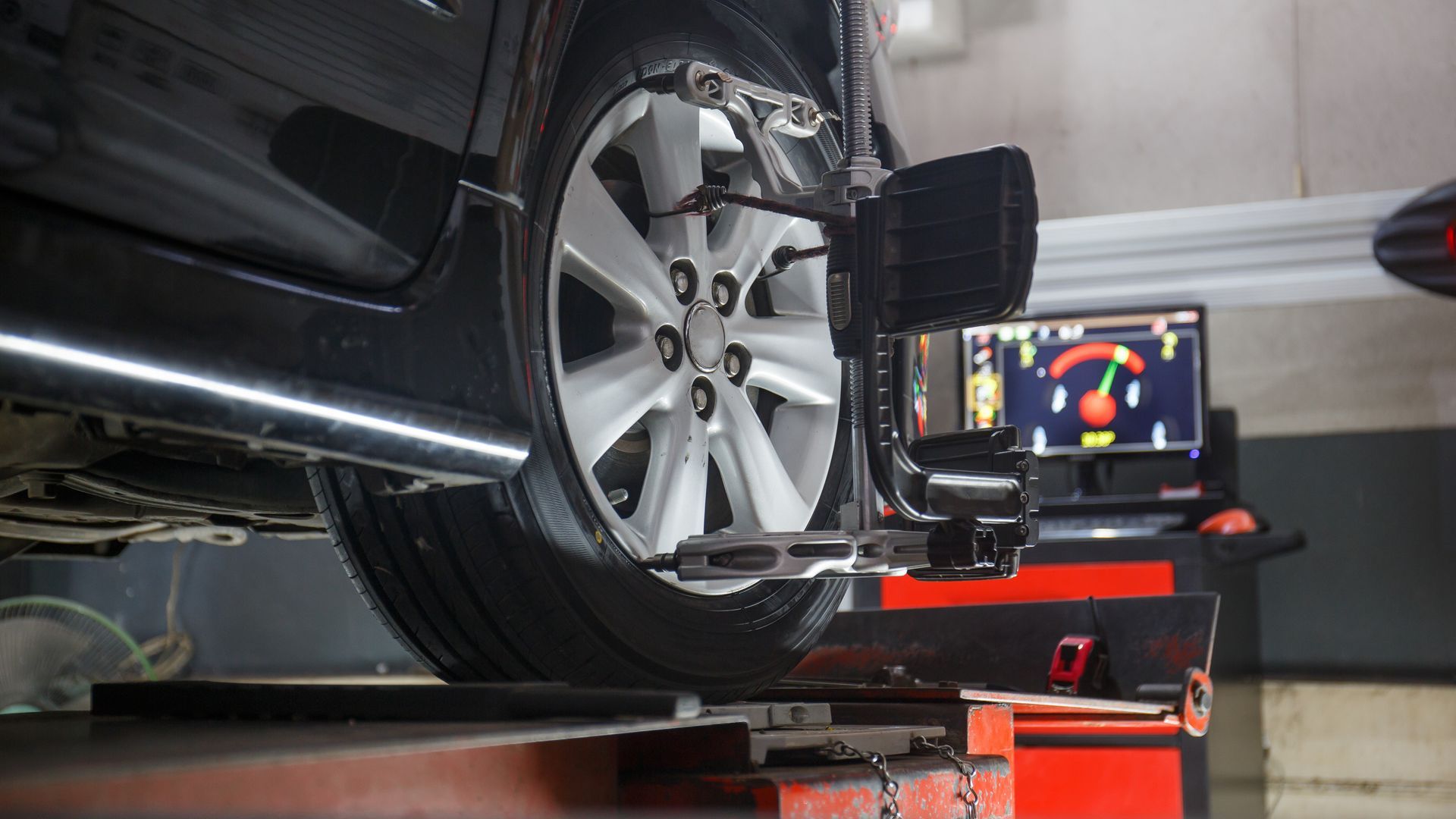
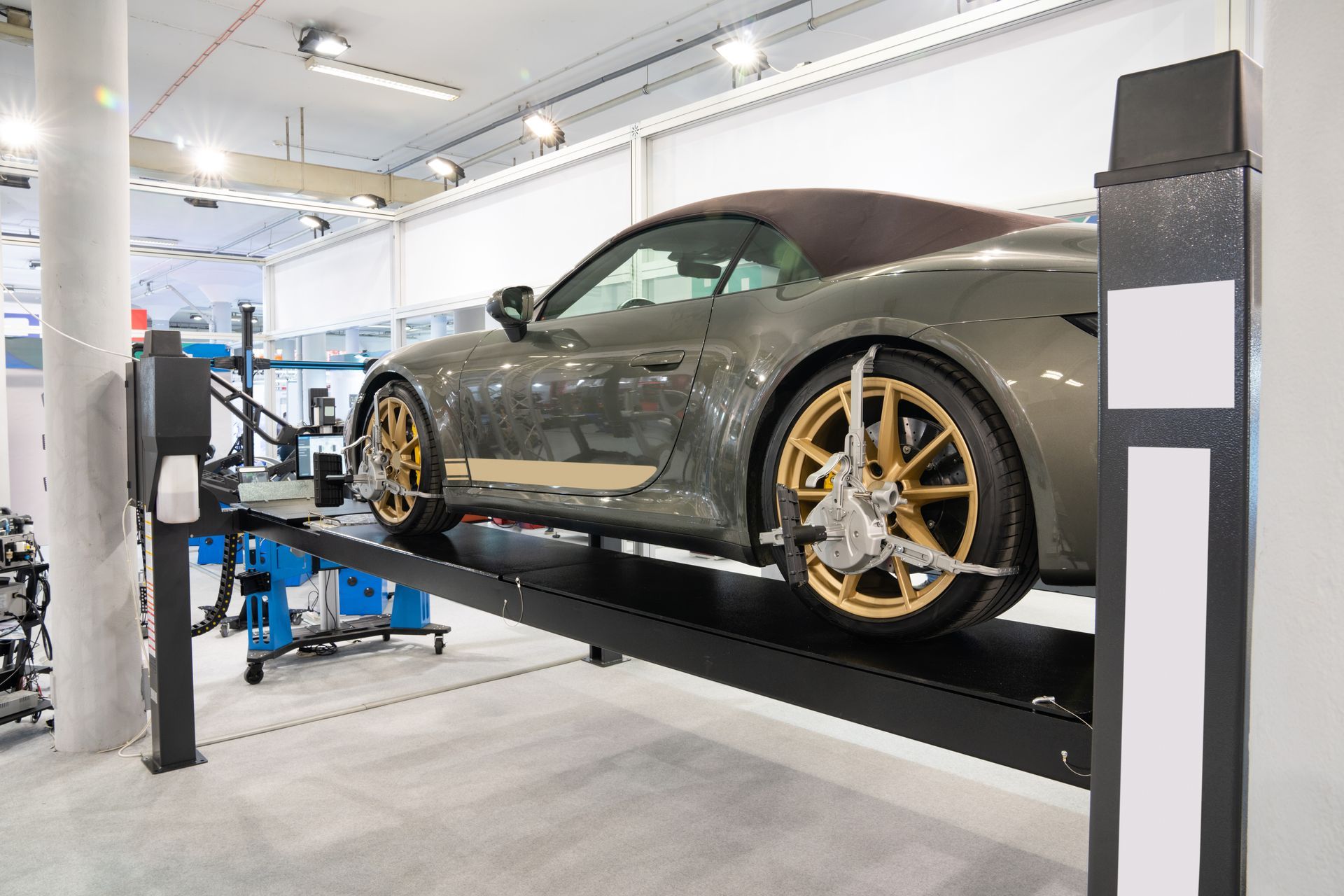
Tires are often the first place suspension problems show up in a way you can see. Inside-edge wear, feathering, or cupping can mean the tire is not staying flat on the road. Even if you get an alignment, worn parts can allow the angles to drift again while you drive.
Here are patterns that commonly point to suspension-related wear:
- Cupping or scalloping across the tread
- One tire is wearing faster than the matching tire on the other side
- Inside-edge wear that returns quickly after rotation
- Feathering that feels sharp in one direction
- A new rumble or tire noise that grows with speed
Uneven wear is expensive, so it is a good early warning sign to act on.
5. Vibration At Speed That Wasn’t There Before
A new shake in the steering wheel or a vibration through the seat can be a tire balance, but it can also come from looseness or worn components. If a wheel is not being held firmly, a small movement can turn into a noticeable vibration at certain speeds.
Pay attention to patterns here too. If the vibration is worse on rough roads or after bumps, suspension wear becomes more likely. If it changes when braking, brakes or wheel bearings might be involved. The key is that a new vibration is rarely something to ignore for long.
6. Nose Dive When Braking Or Excess Lean In Turns
If the front end dips more than it used to when you brake, or the vehicle leans more in normal turns, the suspension may be losing control of body movement. You might feel top-heavy on highway ramps or notice the car takes longer to settle after a quick lane change.
This is more than comfort. Extra body movement can reduce traction and make the vehicle feel less predictable in sudden stops or evasive moves. When this shows up, it is usually time to check shocks, struts, and the supporting components around them.
7. New Steering Wheel Play Or A Clunk When Turning
If the steering wheel has more free play than it used to, or you feel a clunk when you turn into a parking spot, there may be wear in the steering joints or suspension mounting points. Some drivers notice a faint click or pop when turning at low speed, especially when backing out of a driveway.
This is one sign that should not be put off. Steering components and suspension joints work together, and looseness tends to grow. If the vehicle feels less precise than it used to, it is worth checking before it affects safety and tire life.
Get Suspension Repair in Lakewood, Colorado with Front Range Auto
We can inspect the suspension and steering parts that commonly wear out, explain what we find in plain language, and help you prioritize what will improve ride and handling the most. We’ll also show you how any worn parts are affecting your tires so you can protect your next set.
Call or schedule an appointment today.