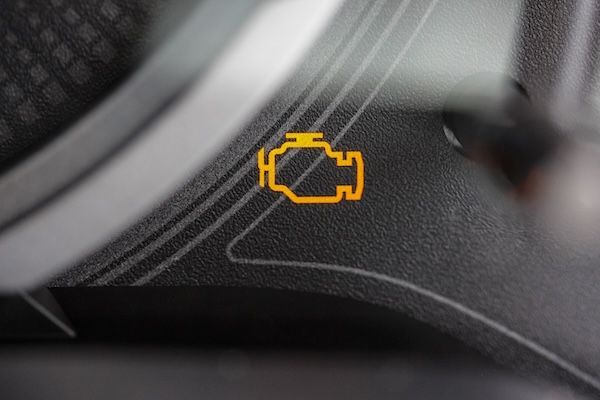
A steady check engine light is one thing. A flashing check engine light is a different kind of warning. When that light starts blinking, the vehicle is usually telling you that an engine problem is active right now, not just stored in the computer from earlier.
That blinking light should not be treated like background noise. The car may still move and even feel drivable for a short distance, but a flashing check engine light often indicates a misfire that can damage the catalytic converter. The sooner it is checked, the better your chance of avoiding a larger repair.
What A Flashing Check Engine Light Usually Means
Most of the time, a flashing check engine light means the engine is misfiring badly enough to risk damage. A misfire occurs when one or more cylinders do not burn the air-fuel mixture correctly. That missing or incomplete burn can make the engine shake, stumble, hesitate, or lose power.
The light flashes because the vehicle’s computer considers the problem more urgent than a typical fault. A steady light might still need attention, but a flashing light usually means the engine should not be driven hard. Continuing to accelerate, climb hills, or drive at highway speeds can worsen the damage.
Why Misfires Can Harm The Catalytic Converter
The catalytic converter is part of the exhaust system. Its job is to help clean up exhaust gases before they leave the tailpipe. It is built to handle heat, but not to process raw fuel from an engine misfire.
When a cylinder misfires, unburned fuel can travel into the exhaust. That fuel can overheat the catalytic converter and damage its internal components. Once the converter is damaged, the vehicle may lose power, smell strange, fail emissions testing, or set more codes. A repair that started with spark plugs or an ignition coil can become much more expensive if the misfire keeps going.
How The Car May Feel When The Light Flashes
Several symptoms can accompany a flashing check engine light. The engine may shake at idle, stumble when you press the gas, or feel like it is struggling under load. You may notice poor acceleration, a rough exhaust sound, or a fuel smell.
Sometimes the symptom is mild at first. The car might only misfire when climbing a hill, merging onto the highway, or driving in cold or damp weather. That does not make it harmless. A light misfire can still stress the converter if it keeps happening.
Common Causes Behind A Flashing Light
Spark plugs and ignition coils are common causes, but they are not the only ones. A flashing light should be carefully diagnosed, as several problems can cause the same warning.
Common causes can include:
- Worn spark plugs
- Weak ignition coils
- Fuel injector problems
- Vacuum leaks
- Low fuel pressure
- Compression problems
- Damaged wiring
- Sensor faults
- Timing issues
Some of these repairs are straightforward. Others require deeper testing. The important part is proving the cause before replacing parts.
What To Do When The Light Starts Flashing
If the check engine light starts flashing, ease off the gas. Avoid hard acceleration, high speeds, and heavy loads. If the engine is shaking badly, losing power, or the vehicle feels unsafe, pull over in a safe place and shut it off.
If the light flashes briefly and then turns steady, the vehicle still needs attention. The computer may have stored misfire data that can help a technician identify which cylinder was affected and when the problem happened. Waiting for the light to flash again is not a good plan because the next event could do more damage.
Why A Quick Code Read Is Not Enough
A code read can tell you which fault the computer detected, but it does not always tell you why it happened. A code for a cylinder misfire does not automatically prove the spark plug is bad. The problem could be the coil, injector, wiring, compression, air leak, or something else affecting that cylinder.
A proper diagnostic can include checking spark plugs, swapping or testing coils, reviewing fuel trim, checking injector operation, inspecting wiring, looking for vacuum leaks, and testing compression when needed. That inspection keeps the repair focused on the real problem instead of the most common part.
Small Engine Problems Can Become Expensive
A misfire does not always start with a flashing light. Sometimes the vehicle gives smaller clues first. A rough start, slight shake at idle, lower fuel economy, or brief hesitation can show up before the warning becomes urgent.
Regular maintenance helps reduce some misfire risks, especially when spark plugs, filters, fluids, and basic engine checks stay on schedule. Still, once the light flashes, the situation has moved beyond routine service. The vehicle needs testing before the misfire causes more damage.
Get Check Engine Light Repair In Lakewood, CO, With Front Range Auto
If your check engine light is flashing, your engine is shaking, or your car feels weak, rough, or hesitant, Front Range Auto in Lakewood, CO, can test the system and find the cause.